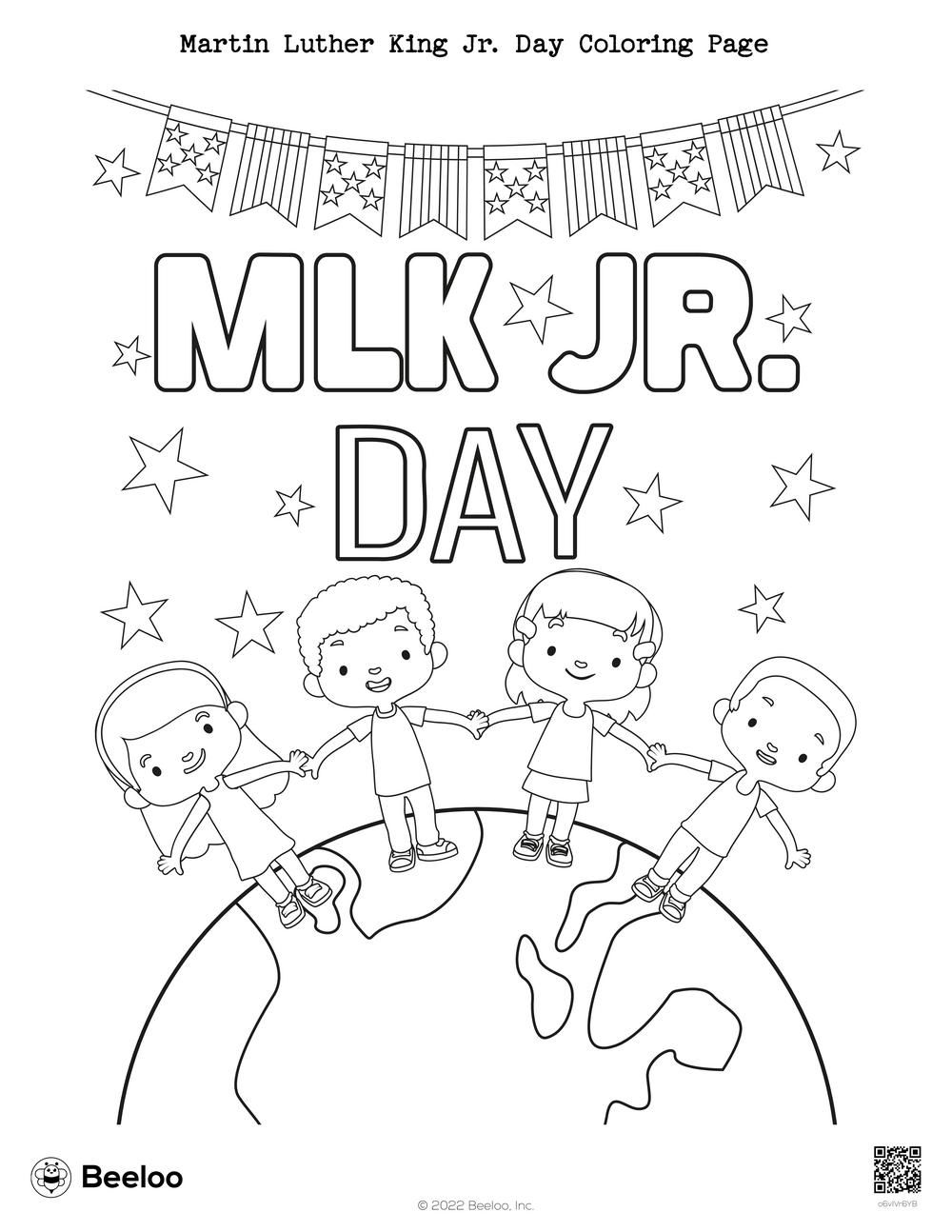
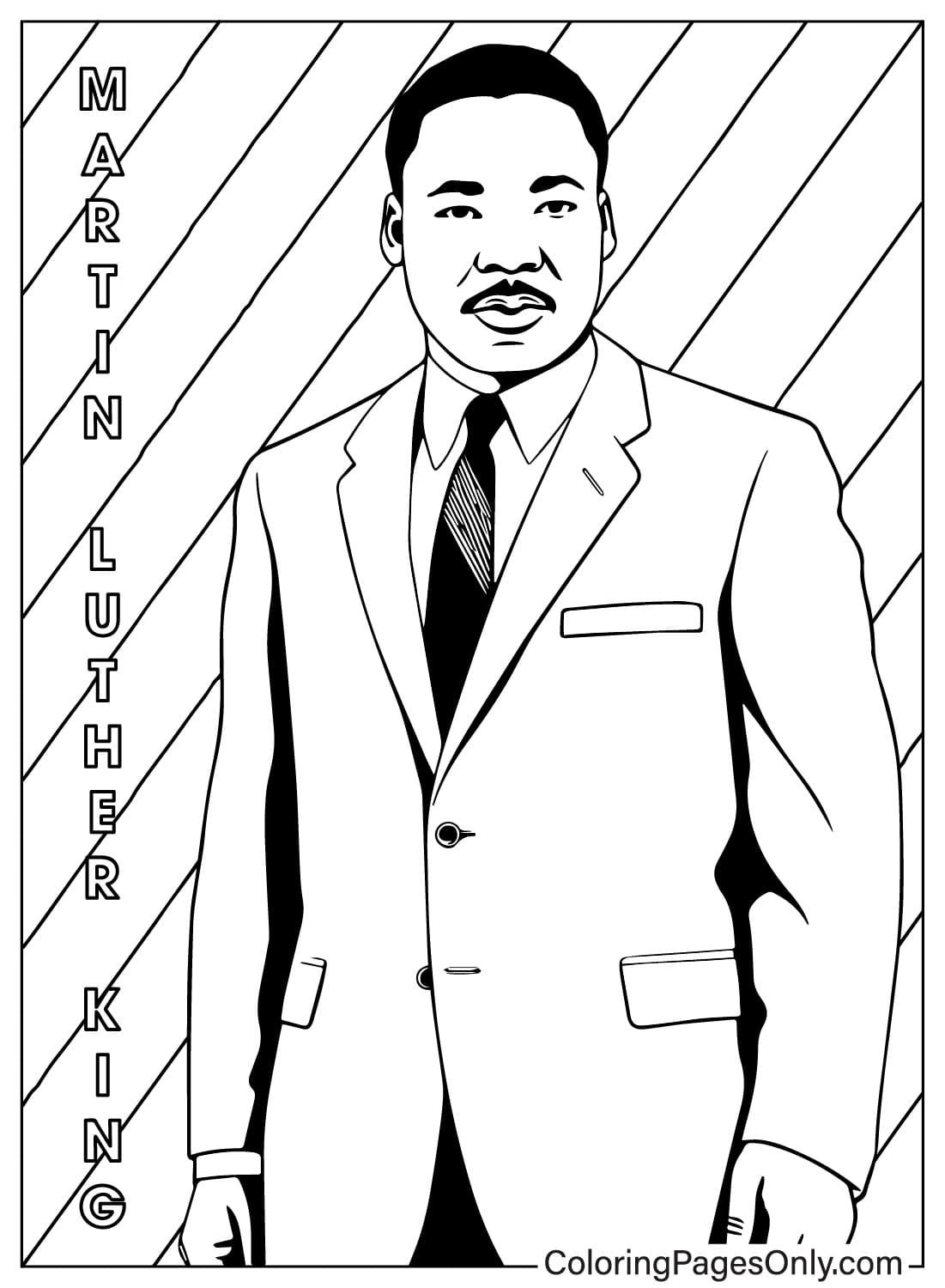
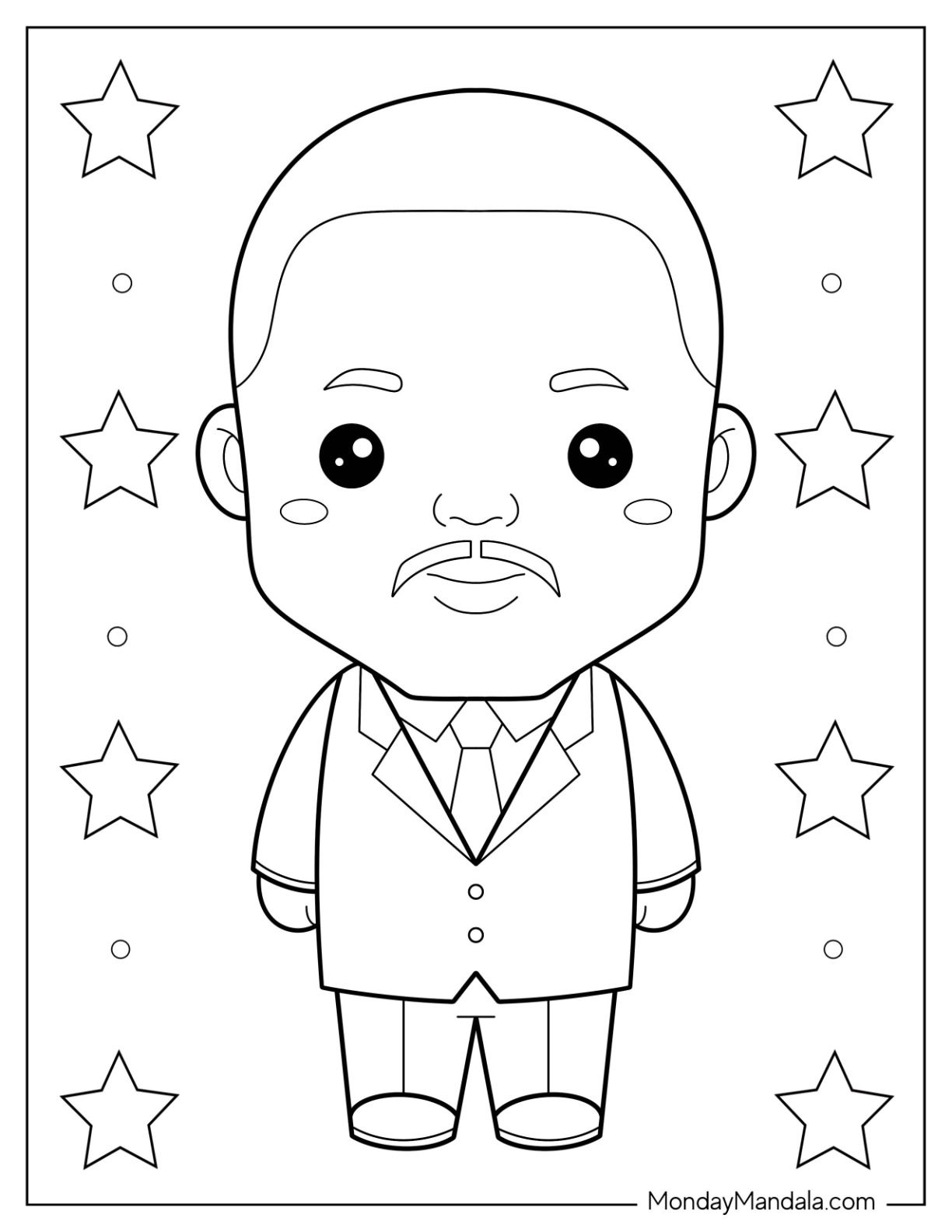
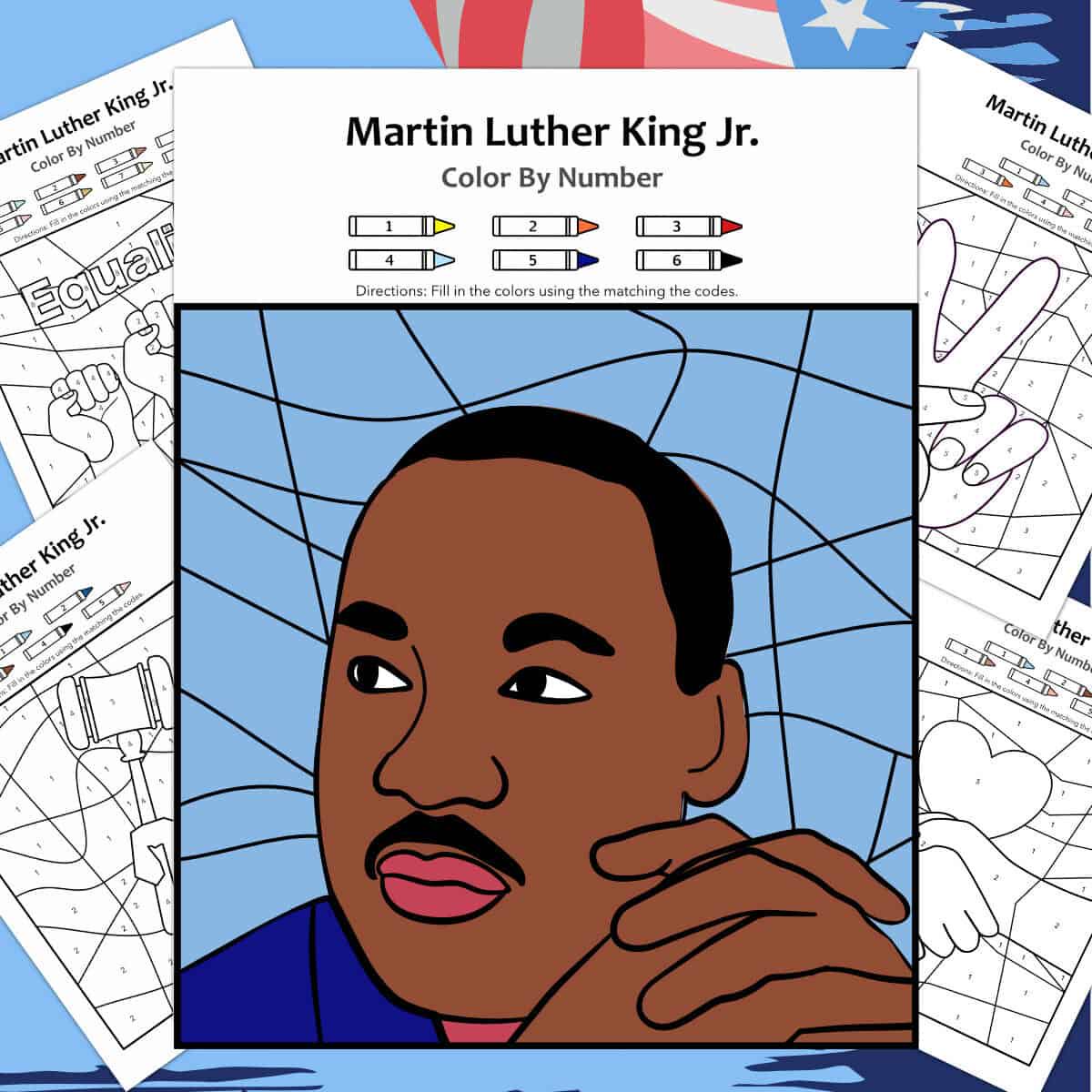
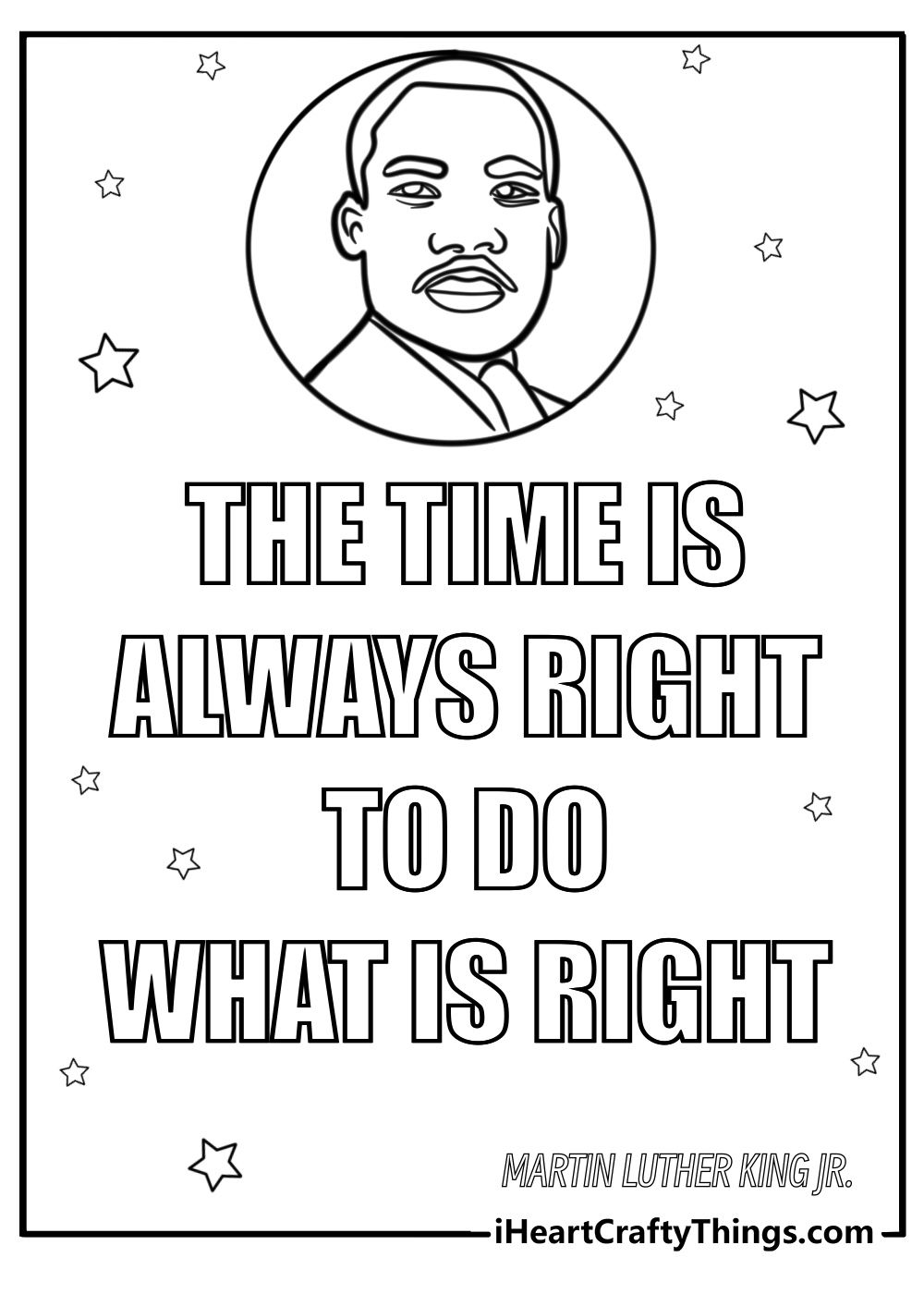
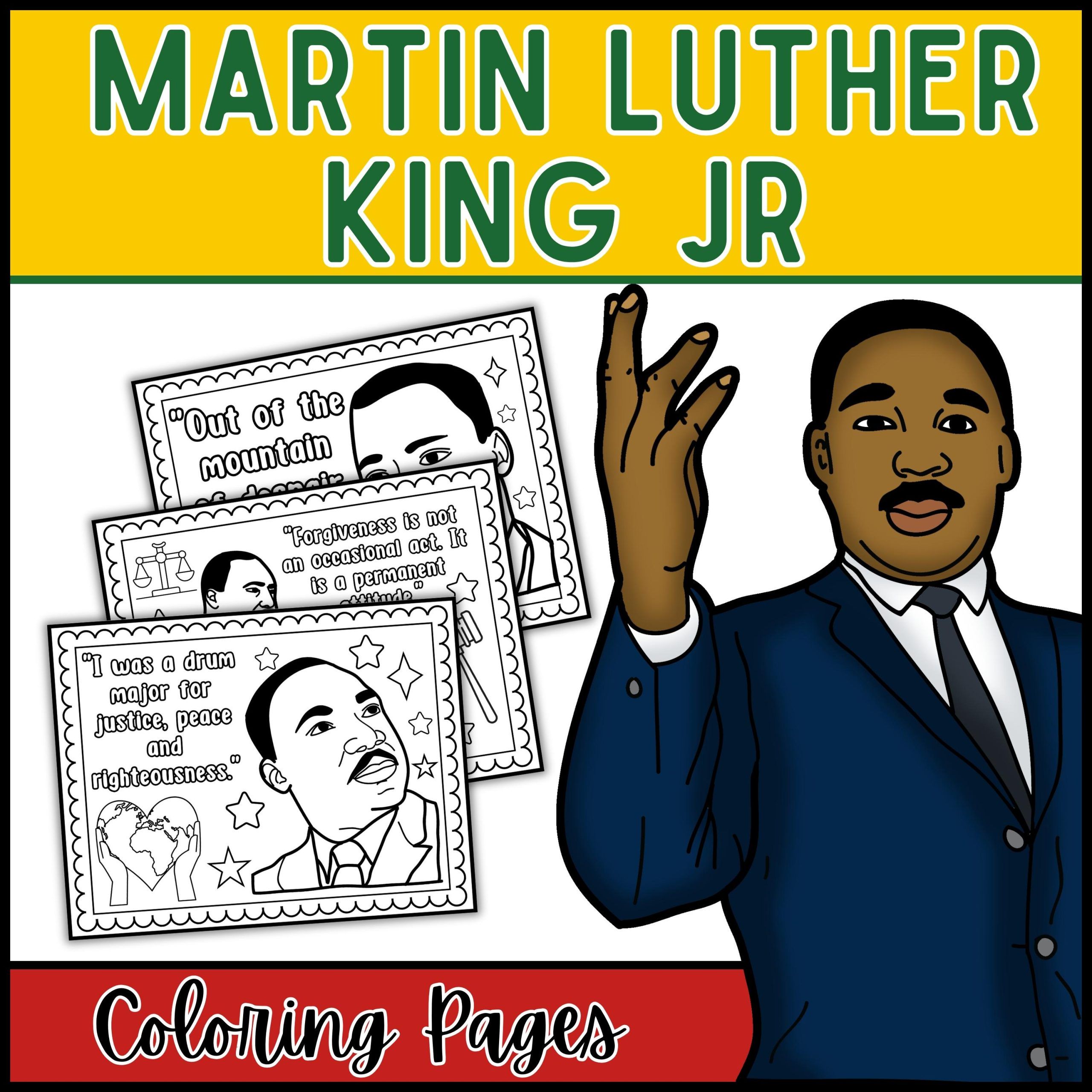
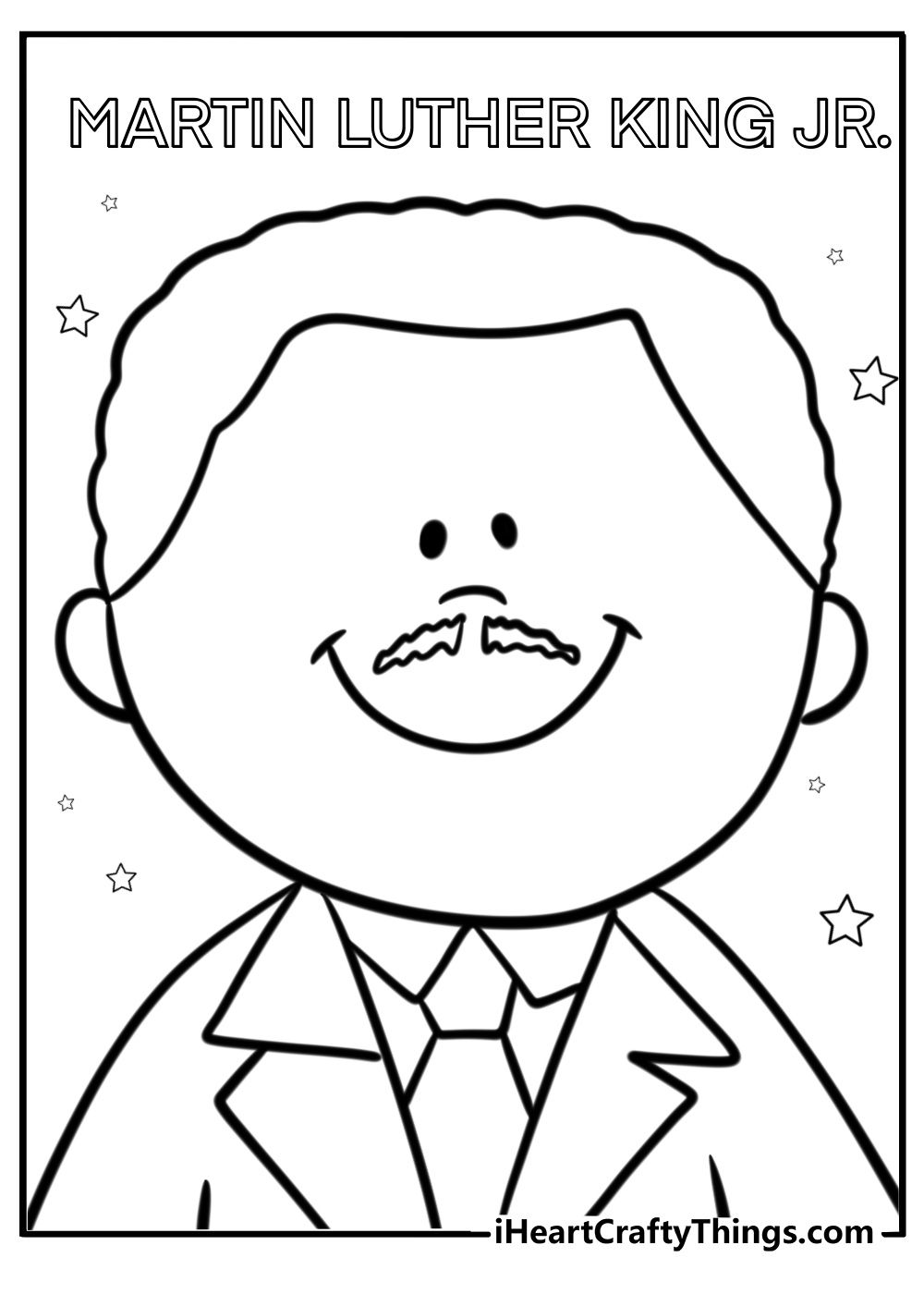
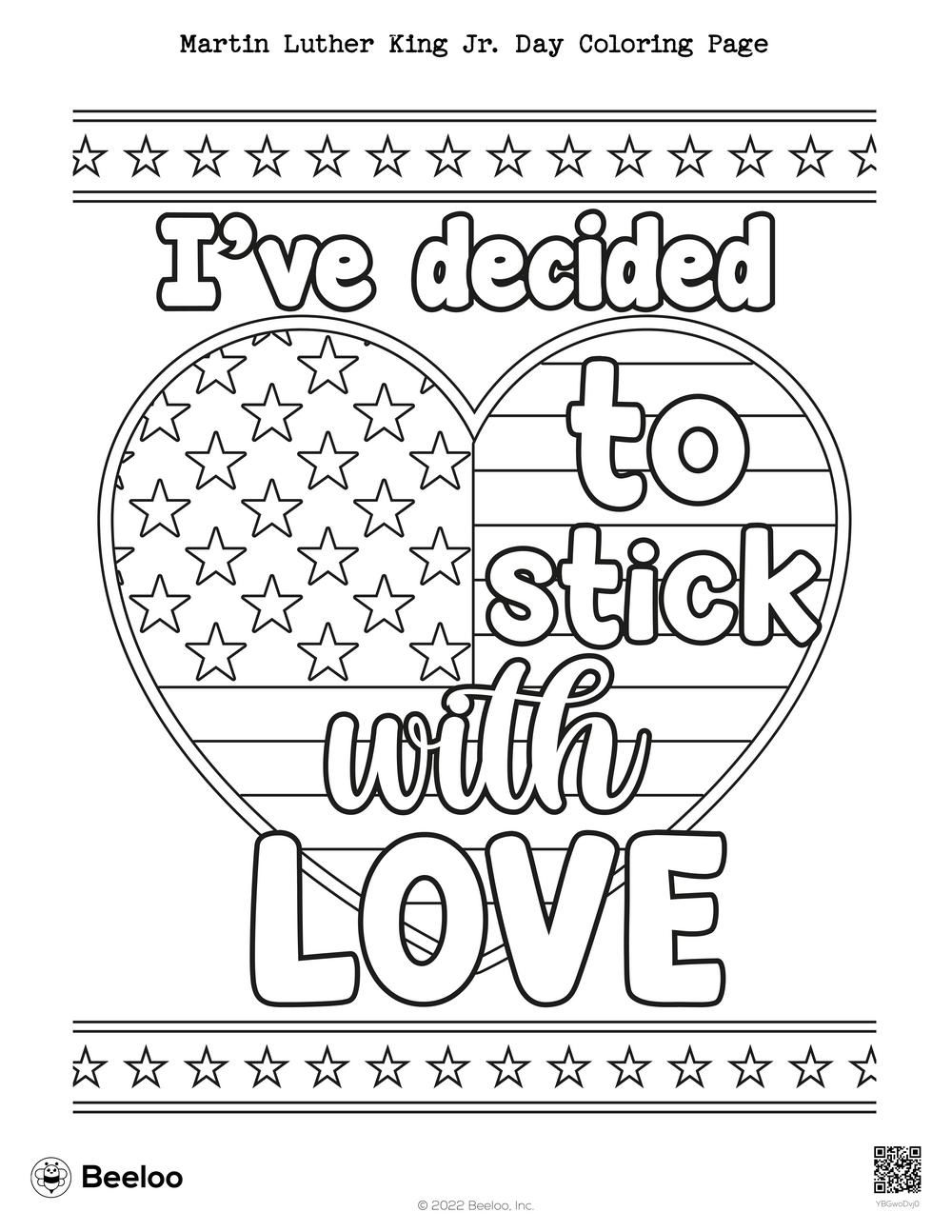
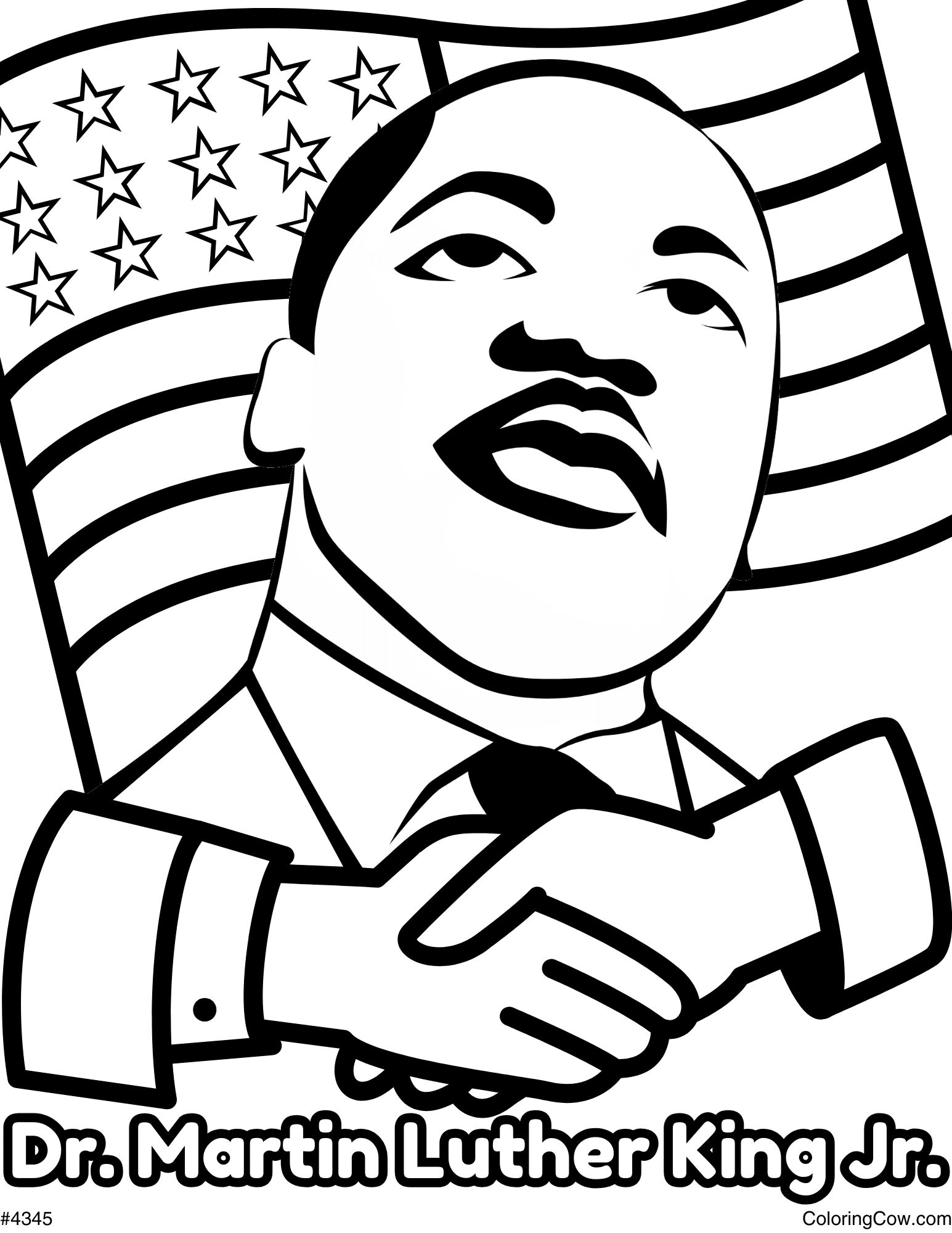
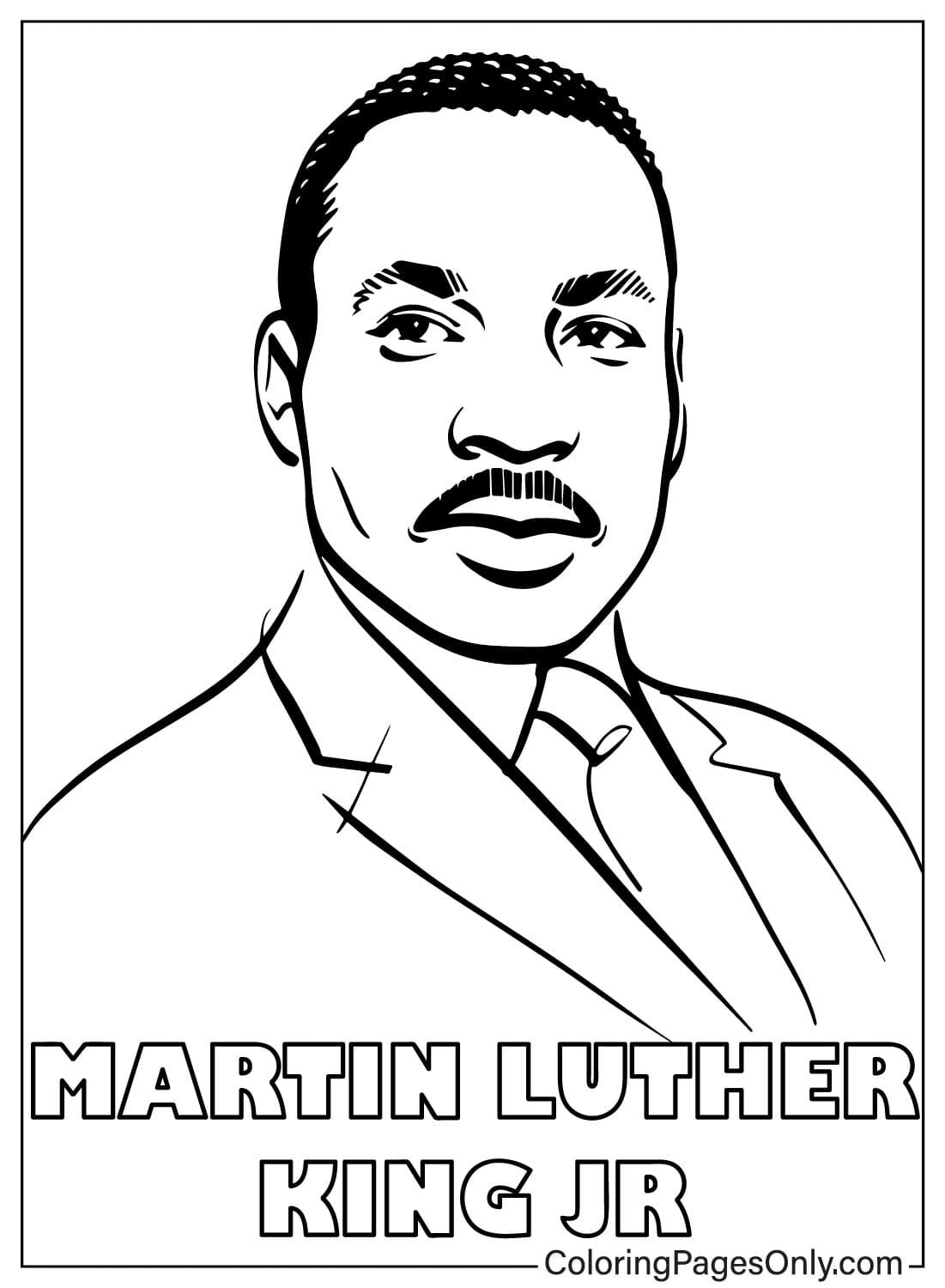
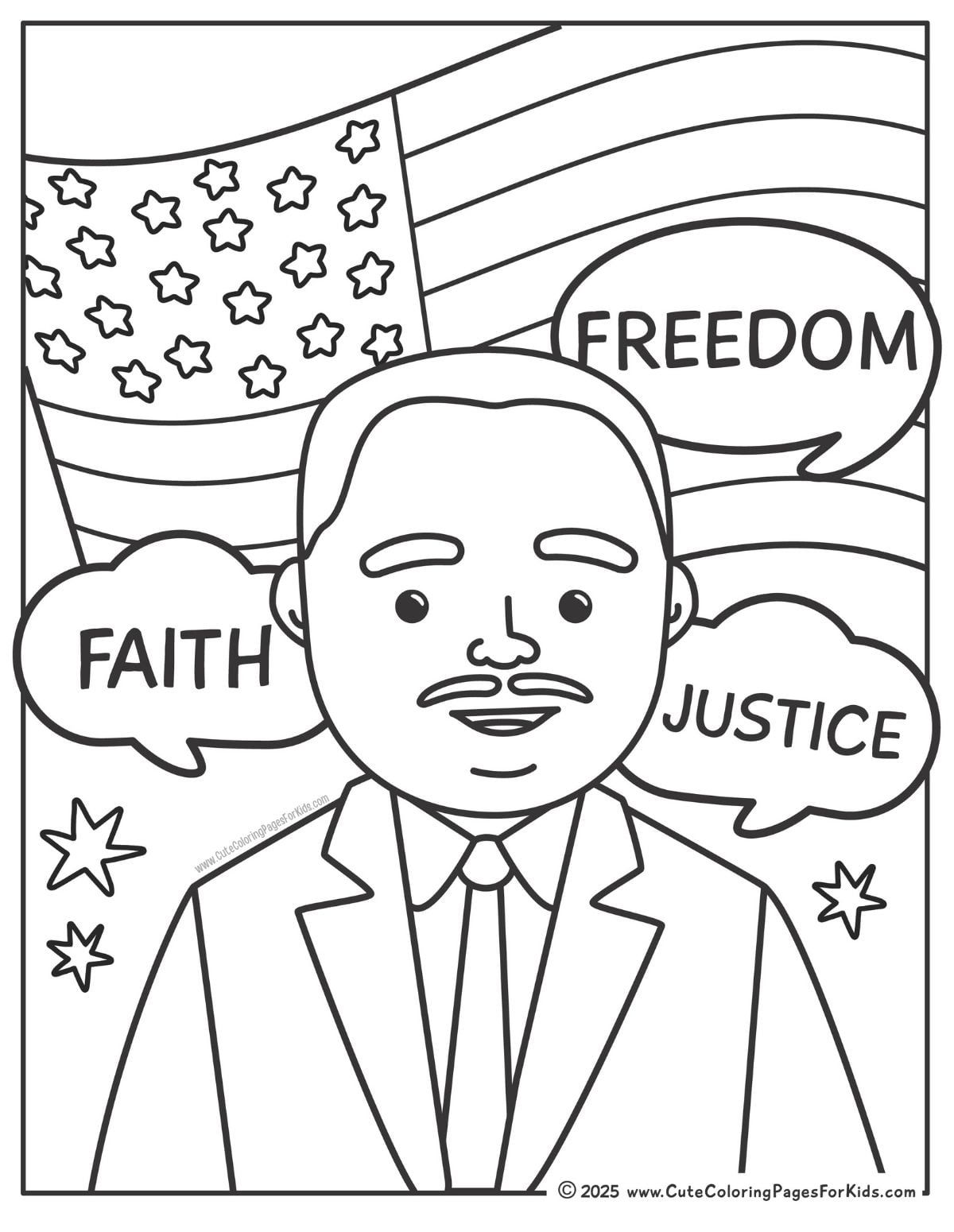
Every January, as Martin Luther King Jr. Day approaches, I find myself scrambling for meaningful ways to engage my kids with the holiday's significance. Last year, I stumbled upon a Martin Luther King coloring sheet online, and it turned out to be more than just a quiet-time activity. My 6-year-old, who usually loses interest in anything not involving dinosaurs, sat for nearly 20 minutes, asking questions about the man in the picture. That’s when I realized these sheets aren’t just about crayons and outlines—they’re a gateway to conversations about history, empathy, and justice.
Why a Coloring Sheet Works Better Than You’d Think
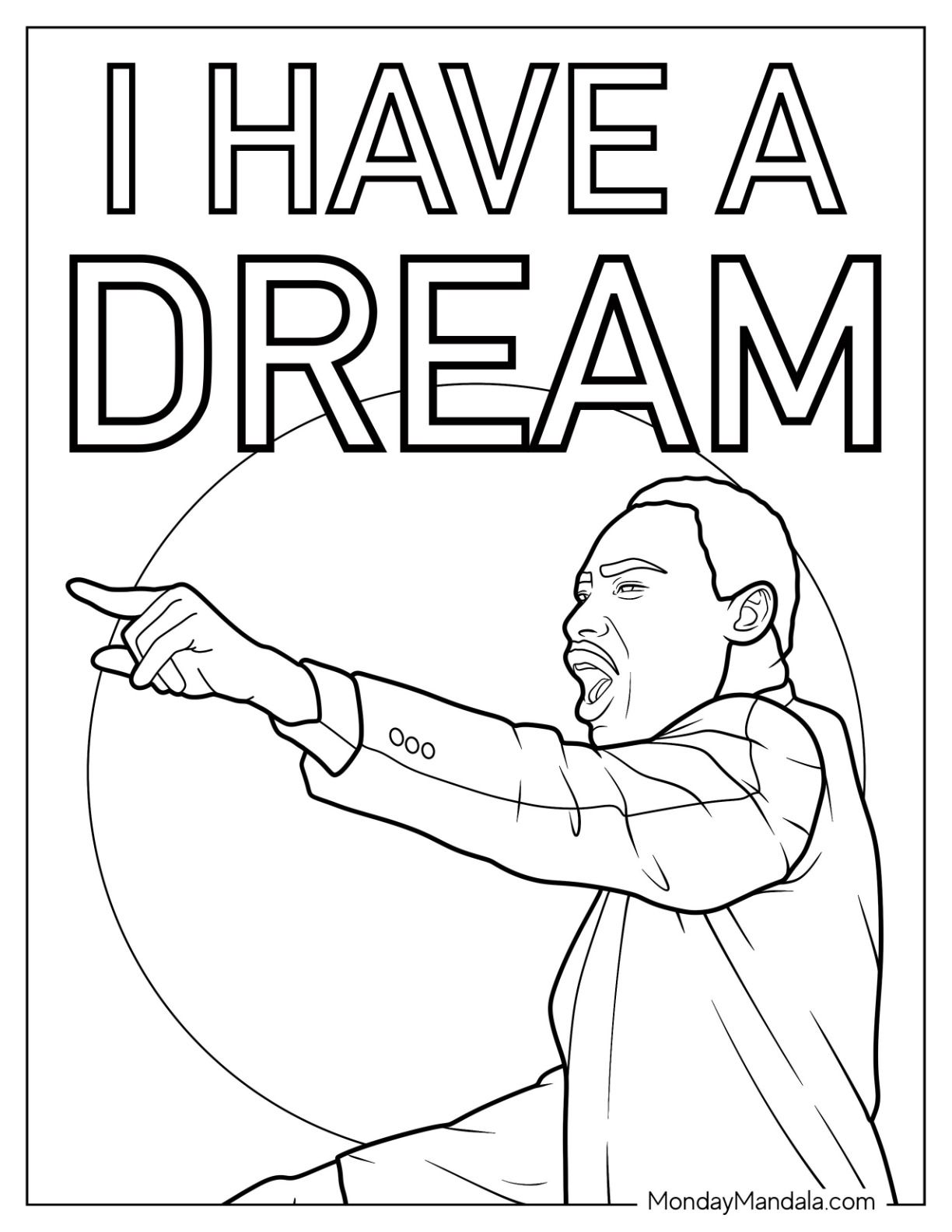
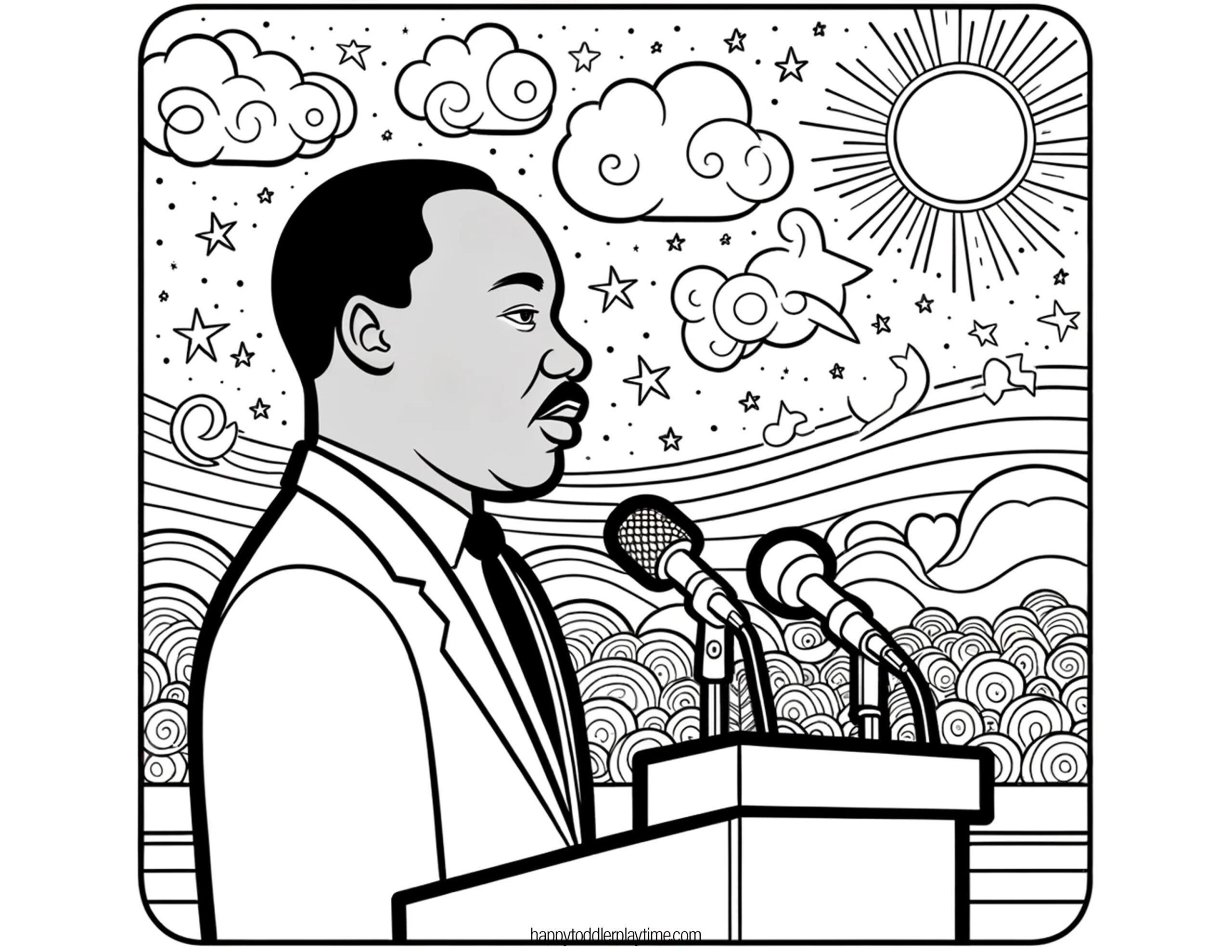
Let’s be honest: explaining complex historical figures to young kids can feel like translating a foreign language. But a Martin Luther King coloring sheet simplifies the task. The visual element—often featuring Dr. King at the podium or marching—gives kids something tangible to focus on. Last month, I used one with my daughter’s second-grade class, and the results were striking. While they colored, I asked, “What do you think he’s saying here?” One kid replied, “Something about being nice to everyone,” which opened the door to discuss equality in terms they could grasp.
Choosing the Right Sheet: It’s Not All Created Equal
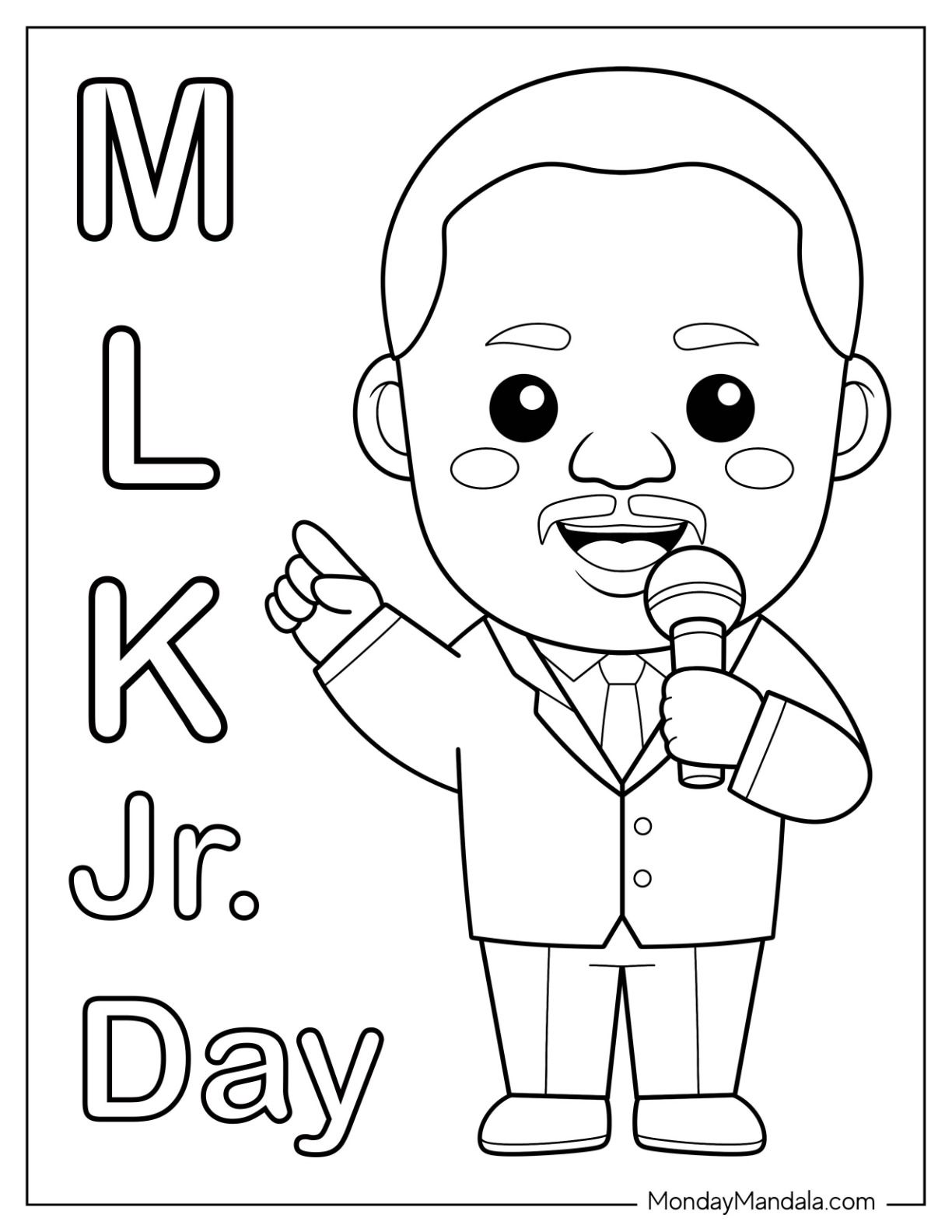
Not all coloring sheets are made alike. Some are overly simplistic, while others pack in too much detail for younger kids. I’ve tested dozens, and here’s what works best: look for designs that include contextual elements, like a crowd or a quote bubble with “I Have a Dream.” These add layers to the conversation. Avoid sheets with cartoonish exaggerations—they can trivialize Dr. King’s legacy. My go-to source? The Library of Congress’s free resources, which strike the right balance between accuracy and accessibility.
What to Look For:
- Clear, recognizable imagery of Dr. King
- Incorporated quotes or symbols (e.g., peace signs, doves)
- Age-appropriate line thickness for younger hands
Pairing Coloring with Conversation: A Step-by-Step Guide
Here’s how I structure our coloring sessions to maximize impact: First, I set the stage with a 2-minute story about Dr. King, tailored to their age. Then, I hand out the sheets and let them color while I ask open-ended questions: “Why do you think so many people are listening to him?” or “What does ‘fairness’ mean to you?” This approach turns a passive activity into an active dialogue. Pro tip: Keep a kids’ biography book nearby to answer inevitable follow-up questions.
✨ Note: Always pre-test the sheet’s complexity. Last year, I accidentally gave my 4-year-old a sheet with tiny details—it ended in frustration and a half-colored page.
Beyond the Crayons: Extending the Lesson
Once the coloring’s done, I like to extend the activity. Last week, we turned our finished sheets into a mini-display in the living room, paired with a kid-friendly version of the “I Have a Dream” speech playing in the background. Another idea? Use the sheet as a starting point for a family discussion about kindness in everyday life. My kids now associate Dr. King’s image with the idea of standing up for friends, which feels like a small but meaningful win.
While a Martin Luther King coloring sheet won’t replace in-depth history lessons, it’s a surprisingly effective tool for planting seeds of understanding. This year, I’m adding a new twist: asking my kids to draw their own version of Dr. King’s dream. Who knows? Maybe their crayon-filled visions will remind us all what we’re still working toward.
Related Terms:
- martin luther king coloring book
- martin luther king coloring page
- martin luther king word search
- martin luther king printable pictures
- martin luther king coloring pictures
- free printable mlk coloring sheets