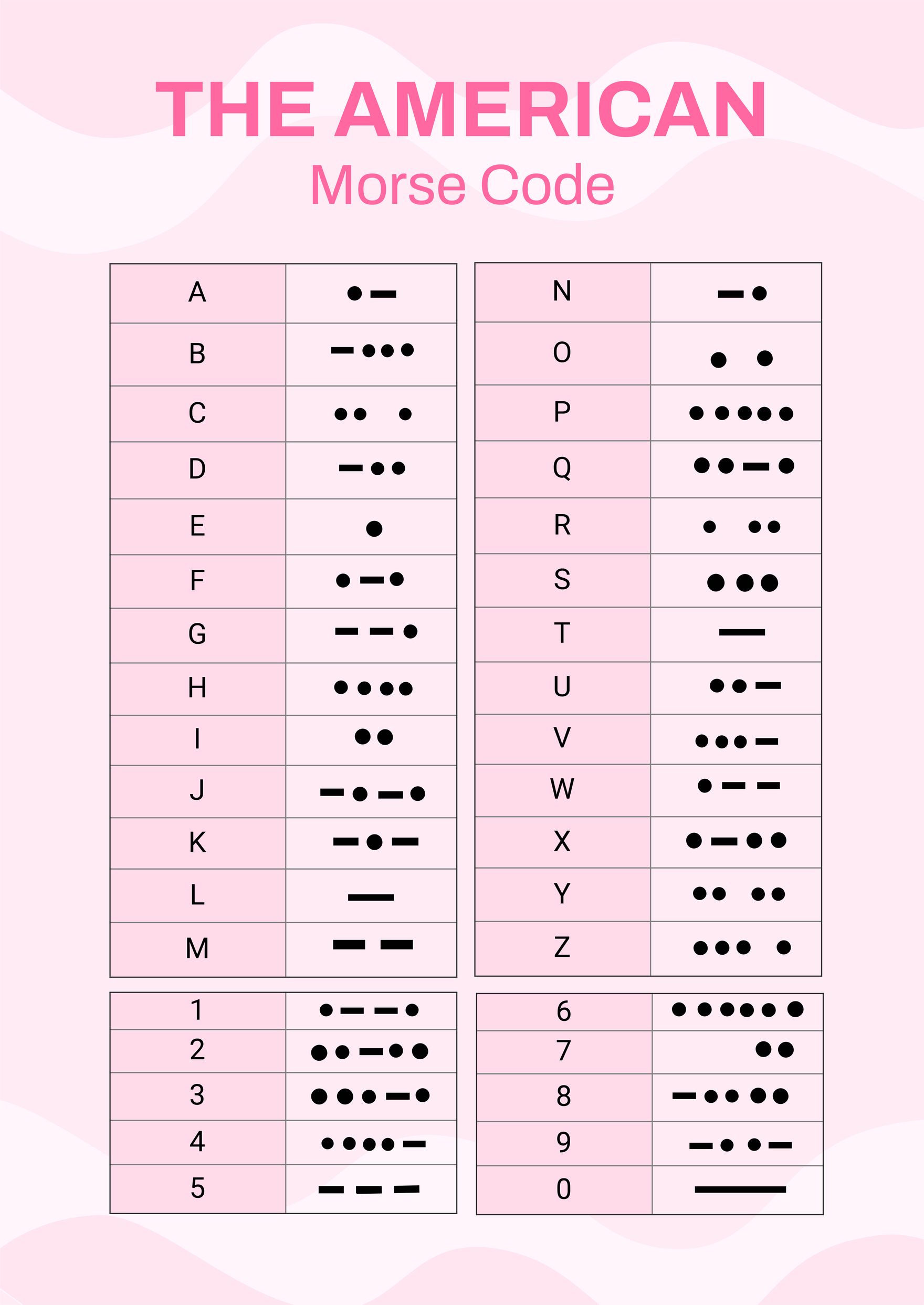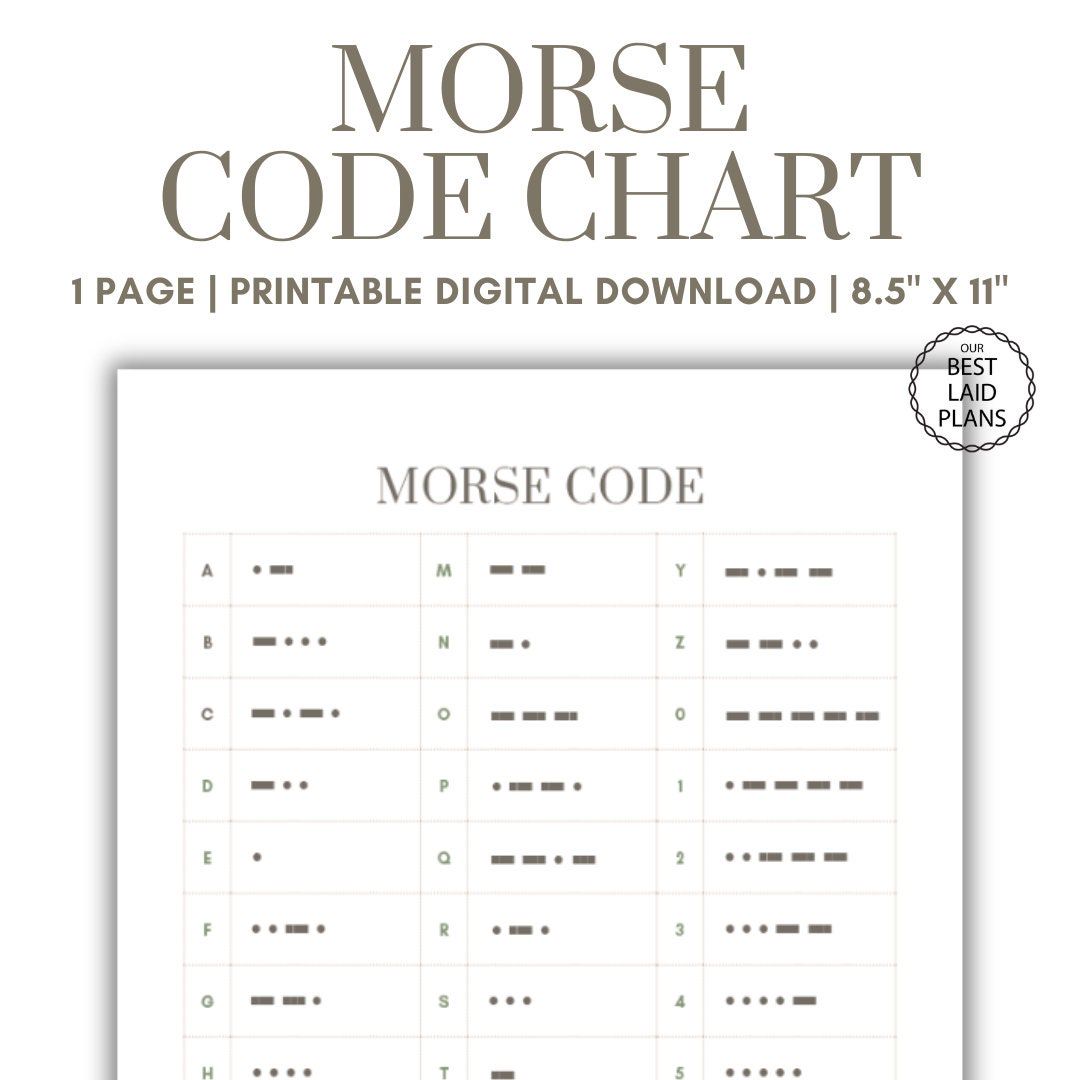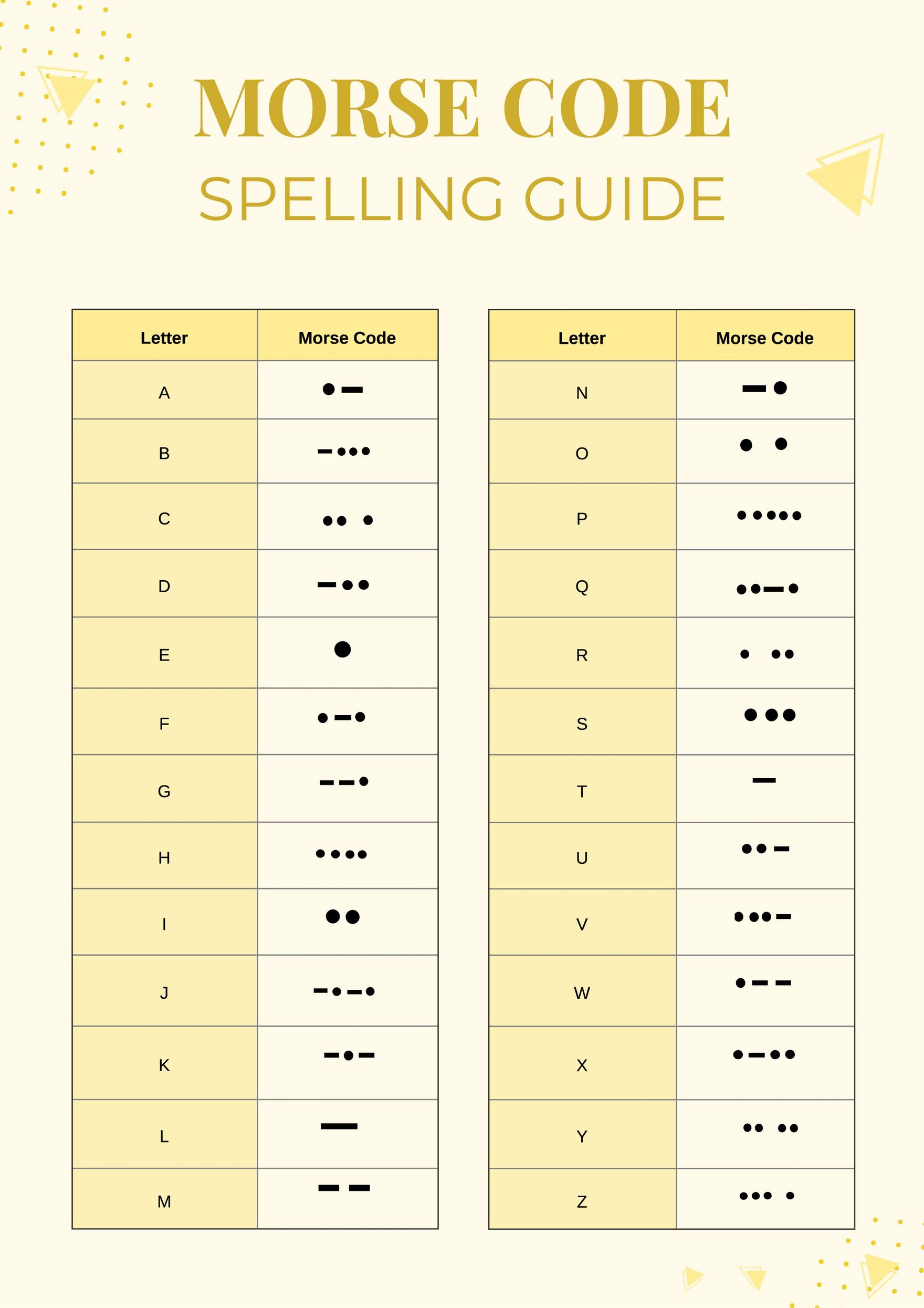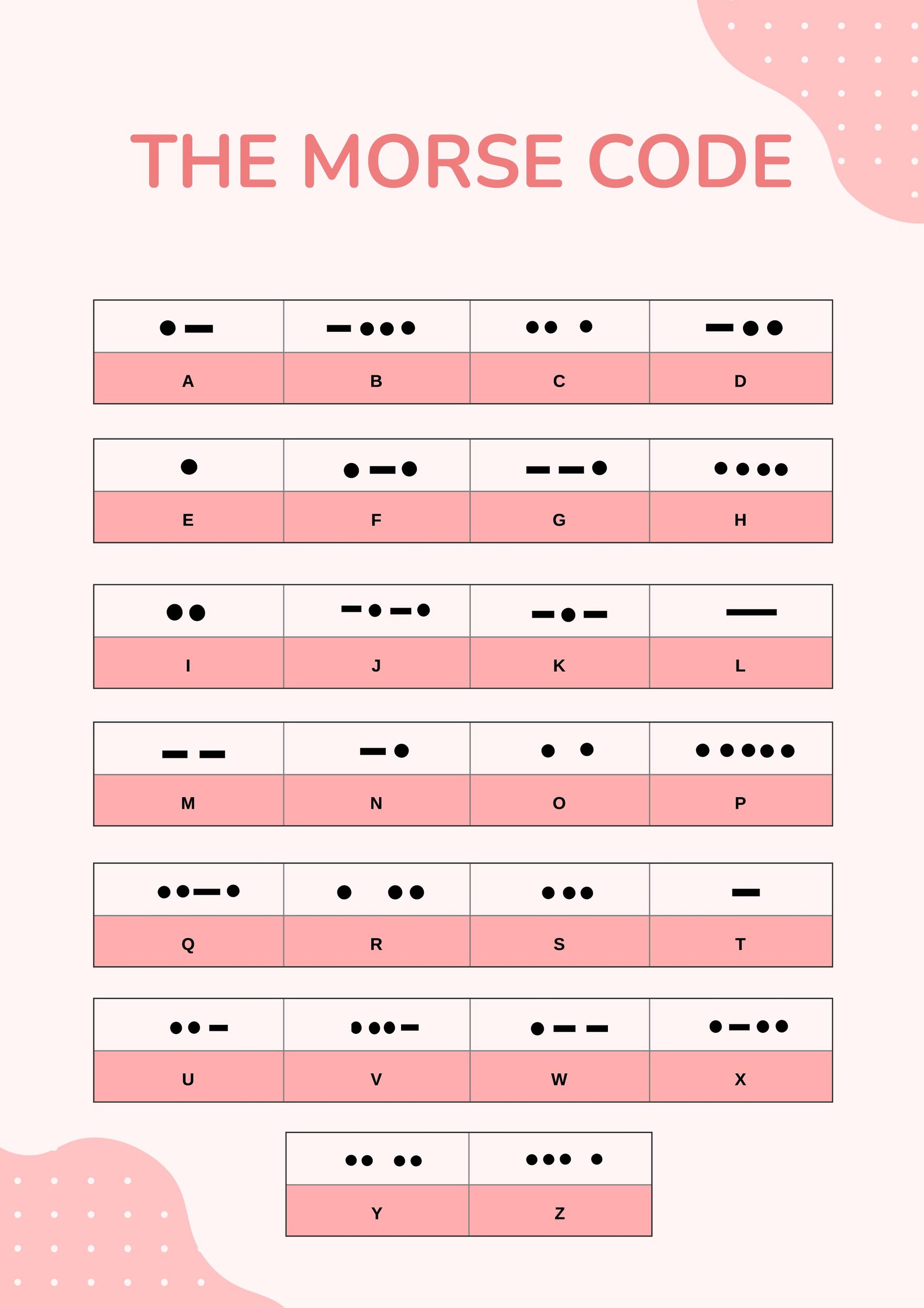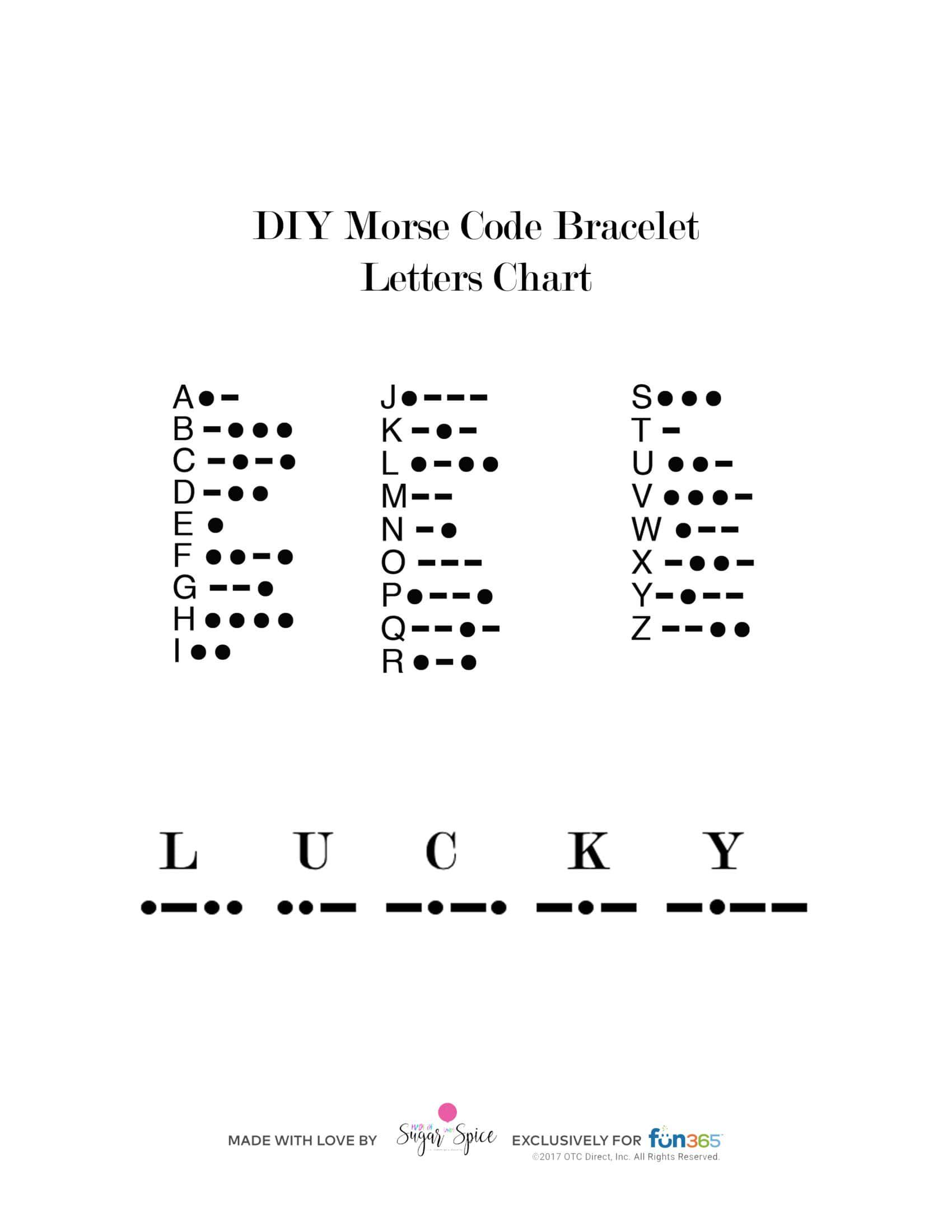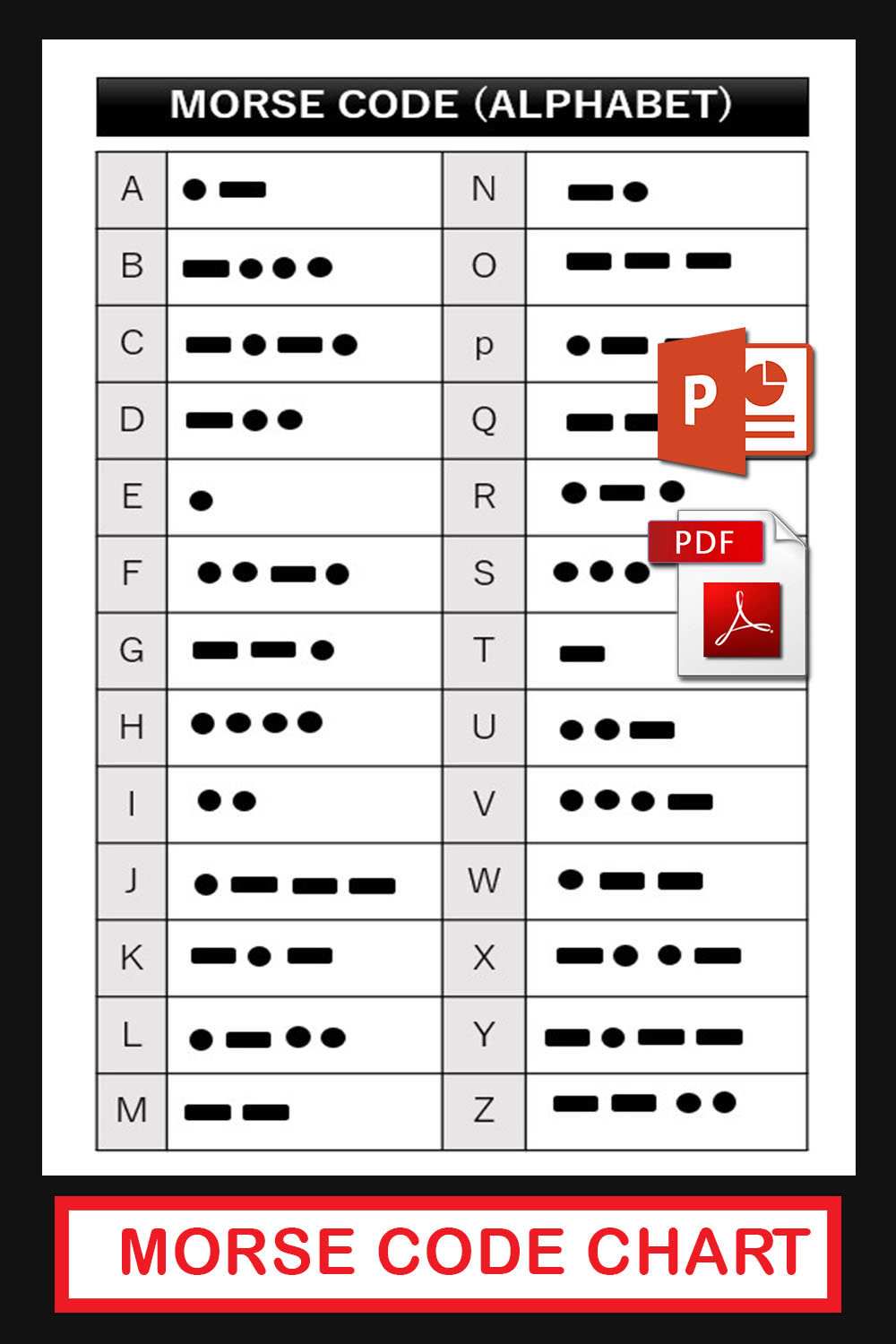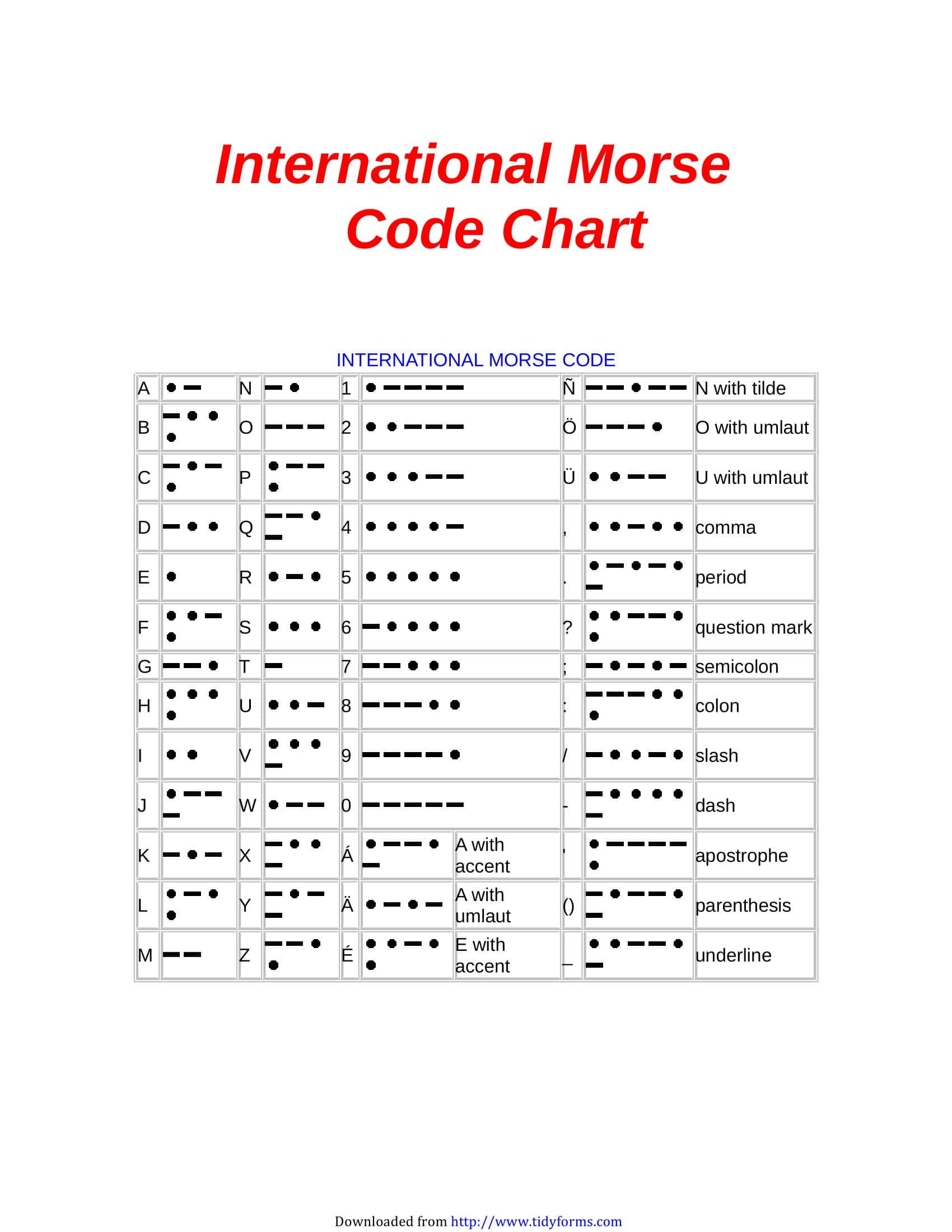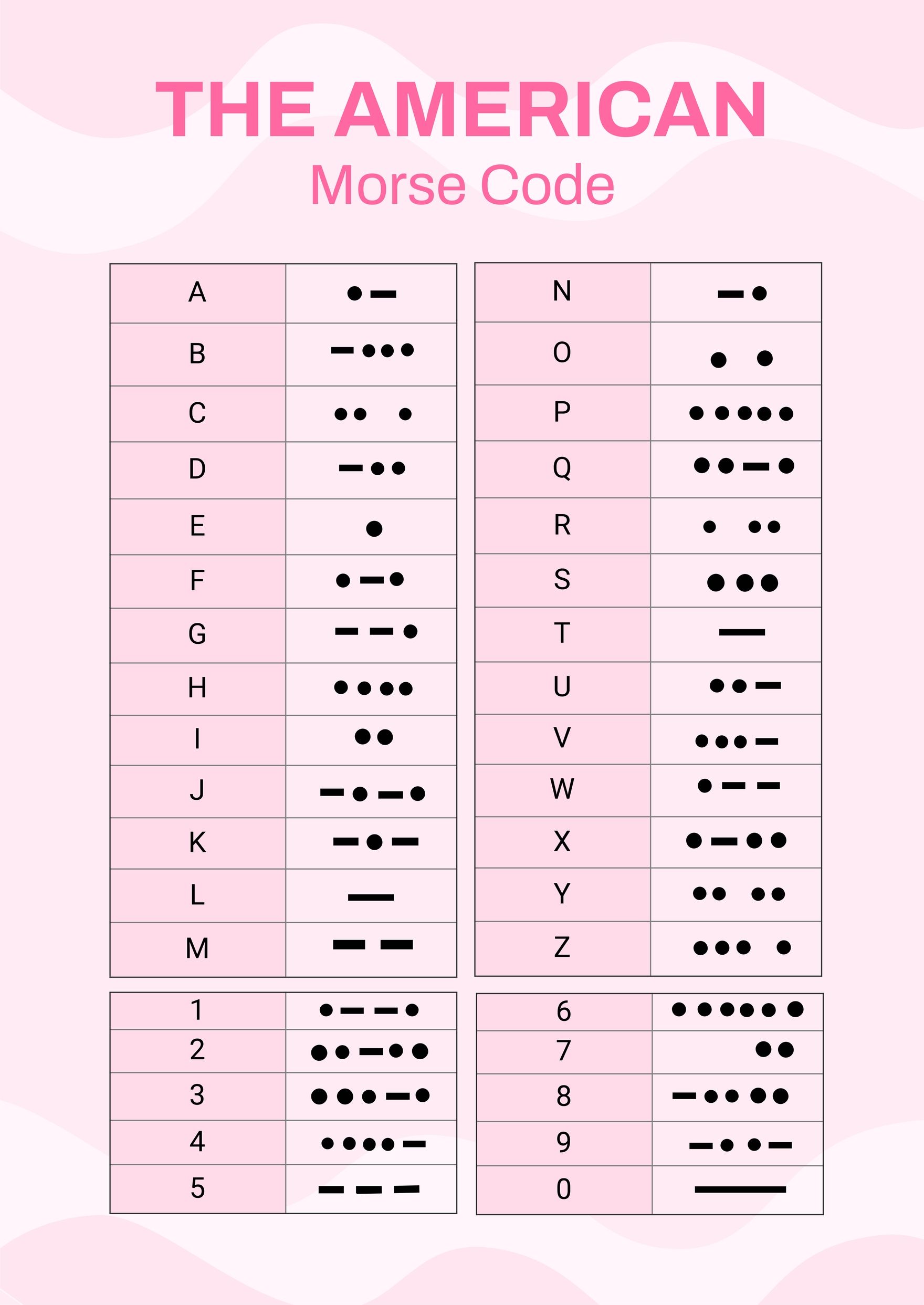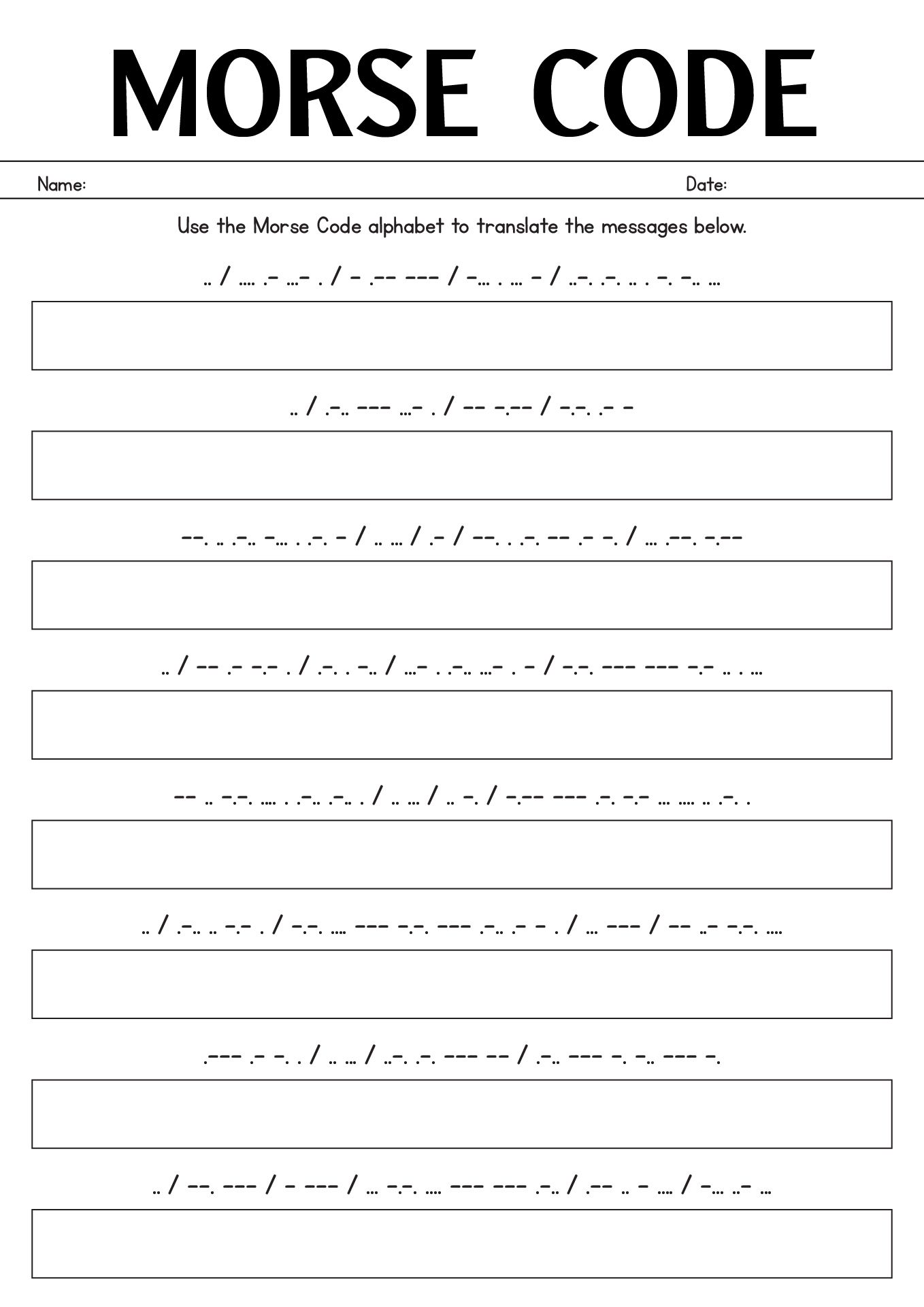
I’ll never forget the first time I tried to decode a Morse Code message without a reference. It was during a camping trip, and a friend had set up a makeshift radio station. The beeps and pauses sounded like a foreign language, and I felt completely lost. That’s when I realized the value of a Morse Code Sheet—a simple yet indispensable tool for anyone learning or using Morse Code. Whether you’re a ham radio enthusiast, a survivalist, or just curious, having a well-designed sheet can make all the difference. It’s not just about memorizing dots and dashes; it’s about understanding the rhythm and structure behind this timeless communication method.
Why a Morse Code Sheet Matters
Morse Code is more than a relic of the past; it’s a practical skill with modern applications. During emergencies, when other forms of communication fail, Morse Code can still get through. I’ve seen it used in amateur radio contests, where operators exchange messages across continents using nothing but a transmitter and a keen ear. A Morse Code Sheet acts as a bridge between theory and practice. It’s your cheat sheet, your quick reference, and your learning companion. Without it, decoding messages can feel like solving a puzzle blindfolded.
Choosing the Right Morse Code Sheet
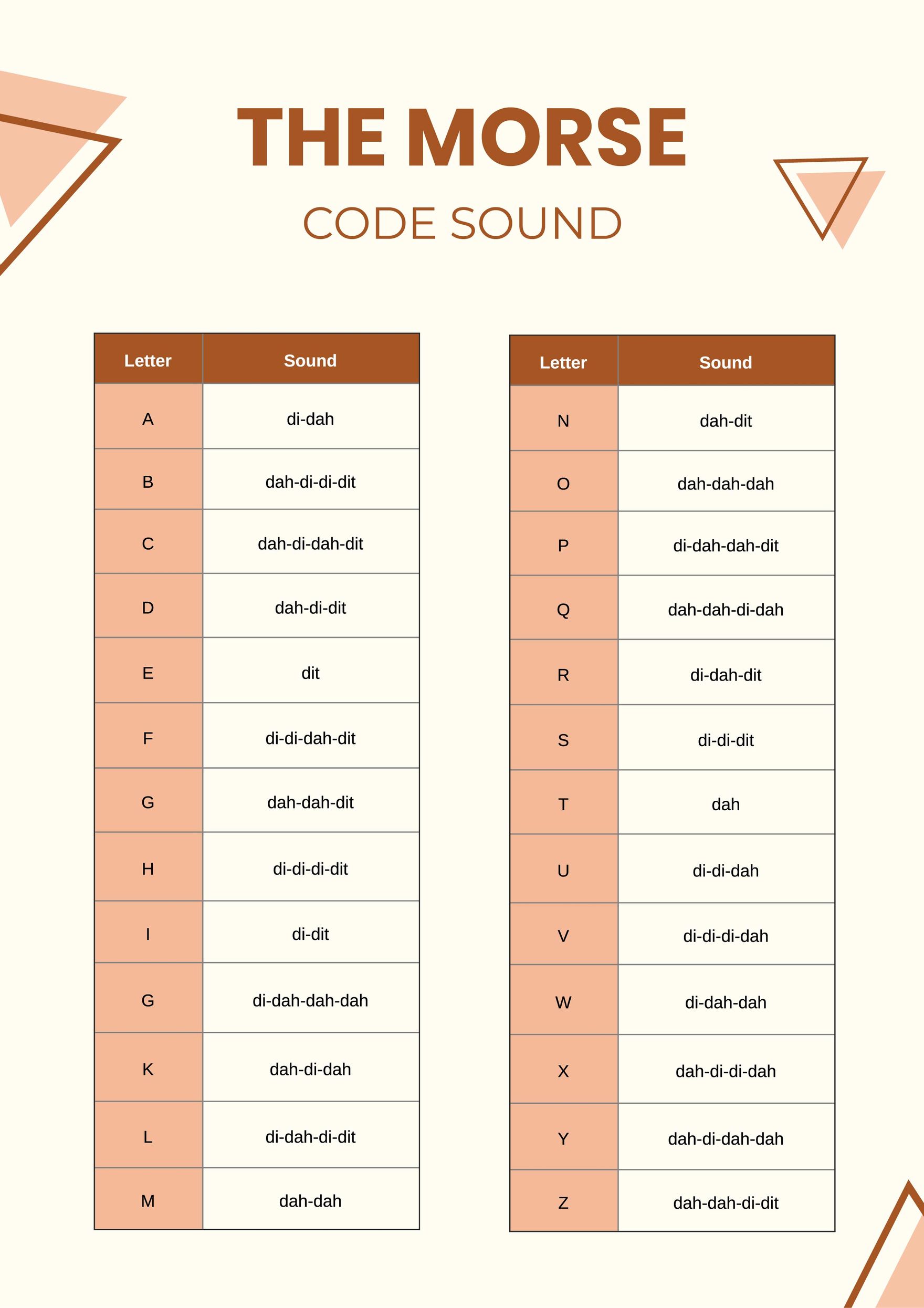
Not all Morse Code Sheets are created equal. Some are cluttered and confusing, while others are clean and intuitive. I’ve tested several versions, and here’s what works best: a layout that separates letters, numbers, and special characters into distinct sections. For example, the Koch Method-inspired sheets are excellent for beginners, as they introduce characters in a logical order. I’ve also found that sheets with phonetic pronunciations (like “dit” for dots and “dah” for dashes) can speed up learning significantly.
Key Features to Look For
When selecting a Morse Code Sheet, prioritize clarity and organization. Look for versions that include:
- Large, easy-to-read fonts for dots and dashes.
- Color-coding for different character types (letters, numbers, punctuation).
- A section for common phrases or prosigns (like “CQ” for calling any station).
Avoid sheets that cram too much information into a small space. In my experience, simplicity is key, especially when you’re under pressure to decode quickly.
Practical Uses of a Morse Code Sheet
Beyond learning, a Morse Code Sheet has practical applications. During a recent power outage, I used mine to decode a message sent via flashlight. It’s also a handy tool for teaching others—I’ve used it in workshops to introduce Morse Code to kids and adults alike. For ham radio operators, keeping a sheet near your station can save time during contests or when receiving weak signals.
Real-World Scenario: Field Day
During an annual Field Day event, I witnessed a team using a laminated Morse Code Sheet to communicate with a remote station. The conditions were challenging—high noise levels and fading signals—but the sheet ensured accuracy. Without it, they would have struggled to keep up with the rapid exchanges. This reinforced my belief that even experienced operators benefit from having a reference handy.
Creating Your Own Morse Code Sheet
If you can’t find a sheet that meets your needs, consider making your own. I’ve done this using a simple spreadsheet program, arranging characters in a grid and adding color for clarity. Here’s a basic structure I recommend:
| Character | Morse Code | Pronunciation |
|---|---|---|
| A | .- | dit dah |
| B | -… | dah dit dit dit |
| C | -.-. | dah dit dah dit |
Print it out, laminate it, and keep it in your kit. Customizing your sheet allows you to include the information most relevant to your needs.
💡 Note: Laminating your Morse Code Sheet makes it durable for outdoor use and resistant to wear and tear.
While a Morse Code Sheet is invaluable, it’s not a crutch. The ultimate goal is to internalize the code, but until then, it’s your most reliable tool. I’ve seen people dismiss it as unnecessary, only to struggle when faced with real-world challenges. Honestly, there’s no shame in using a reference—even seasoned operators do it. The key is to strike a balance between reliance and independence.
If you’re serious about mastering Morse Code, start with a well-designed sheet. Use it, test it, and adapt it to your needs. Over time, you’ll find yourself needing it less, but until then, it’s your lifeline. And who knows? One day, you might be the one sending a message that someone else decodes with their own Morse Code Sheet. That’s the beauty of this system—it connects us across time and technology.
Related Terms:
- identity fraud morse code sheet
- morse code sheet numbers
- morse code sheet printable
- morse code sheet for students
- hex code translator
- hex decoder